
Apartments in Phoenix, AZ:
A Renter’s Guide to Resident Experience
How to Compare Apartment Communities in Phoenix
To compare apartment communities in Phoenix, renters should evaluate cooling reliability, building construction, parking exposure, and neighborhood layout alongside resident experience signals. The ORA Score is a 0–100, monthly-updated resident experience score based on real renter feedback from 13+ review sites and evaluated across 22 operational categories. In Phoenix, extreme heat and sustained HVAC demand play a major role in daily resident experience. Use the ORA Score to compare patterns, then verify conditions that affect comfort during peak temperatures.
Searching for an apartment in Phoenix involves more than choosing a neighborhood or layout that looks appealing. What matters most is how well the apartment community performs during extreme heat, not just how it feels during a short visit. ORA® helps renters understand those patterns earlier by summarizing real renter feedback into a standardized, comparable format.
Phoenix is a city where summer conditions expose how well an apartment community actually operates. A building that feels comfortable in the morning can feel very different in the late afternoon during peak heat. This guide helps renters compare apartment communities in Phoenix using real resident experience patterns, not just surface-level impressions.

If you are new to ORA, you may want to review:
Understanding Apartment Living in Phoenix
Phoenix is defined by sustained high temperatures and rapid development, both of which directly influence resident experience.
Climate and Seasonal Impact
Phoenix experiences extended periods of extreme heat, often lasting several months.
During peak summer, daily temperatures can remain consistently high, placing continuous demand on cooling systems. Apartments that struggle with HVAC performance, insulation, or airflow can feel significantly different depending on:
- time of day
- building orientation
- floor level
Late afternoon and early evening are often the most demanding periods, when heat has accumulated throughout the day.
Unlike cities where extreme conditions are occasional, in Phoenix, heat is a daily factor for much of the year.
This matters if your apartment does not maintain consistent cooling throughout the day, especially during peak afternoon hours.
Building Design and Construction
Phoenix apartment communities vary widely in construction type.
- newer developments often prioritize energy efficiency
- older buildings may have less effective insulation or airflow
- building orientation can affect sun exposure
Apartments with direct afternoon sun exposure may experience higher indoor temperatures, even with functioning cooling systems.
Development Patterns and Layout
Phoenix has a mix of:
- large apartment communities
- garden-style developments
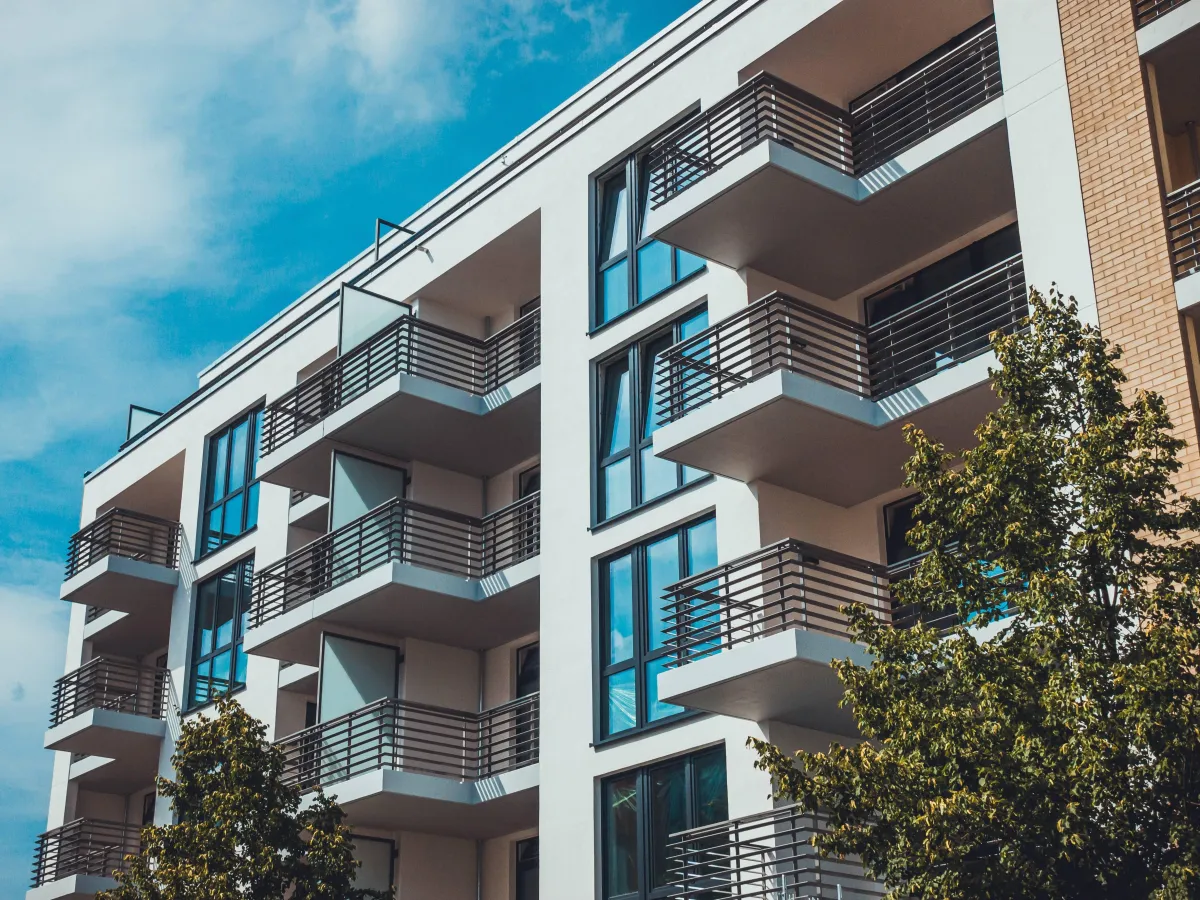
- newer mid-rise buildings
Communities are often spread out, with multiple buildings and open layouts. This can affect:
- walking distance within the community
- proximity to parking
- exposure to outdoor heat
In Phoenix, how far you walk from parking to your apartment can significantly impact your daily experience during summer months.
Operational Implications for Resident Experience
In Phoenix, resident experience is often shaped by:
- cooling system reliability
- insulation and airflow
- exposure to outdoor heat
- maintenance responsiveness during peak demand periods
Comparing Neighborhoods in Phoenix
Downtown Phoenix
Higher density with more mid-rise and mixed-use development. Activity levels are higher, especially during events and evenings. Parking is often structured but can still be limited depending on the building.
Resident experience includes more predictable building systems, but higher activity and urban conditions.
Scottsdale
Moderate density with newer developments and strong lifestyle appeal. Activity increases during evenings and weekends. Parking is generally more structured and accessible.
Resident experience often includes more modern infrastructure, but higher demand and activity in certain areas.
Tempe
Moderate to high density, influenced by proximity to Arizona State University. Activity levels fluctuate based on academic calendar and events.
Resident experience may include more variability in noise and activity depending on location.
North Phoenix / Suburban Areas
Lower density with larger apartment communities and more space. Parking is generally easier and more available. Commutes to central areas may be longer.
Resident experience often feels more stable within the community, but outdoor exposure and travel distances can increase.
What Renters in Phoenix Should Evaluate Carefully
Cooling System Performance
Cooling reliability is the most important factor in Phoenix.
- consistency throughout the day
- responsiveness during peak heat
- ability to maintain comfortable indoor temperatures
Building Orientation and Sun Exposure
Apartments with direct sun exposure, especially in the afternoon, may feel significantly warmer.
Walking Distance and Heat Exposure
In larger communities:
- distance from parking to apartment matters
- walking in extreme heat can impact daily comfort
Maintenance Responsiveness During Summer
Peak heat increases demand on systems, which can affect:
- response times
- system availability
- scheduling of repairs
Parking Conditions
Parking may be more available than in dense cities, but:
- covered vs uncovered parking matters
- vehicle heat exposure can impact daily routines
How to Use The ORA Score in Phoenix
The ORA Score is a 0–100, monthly-updated, unbiased resident experience score for apartment communities. It is based on real renter feedback from 13+ review sites and related sources. It accounts for review volume, lifetime ratings, review content, and complaint and compliment patterns across 22 operational categories renters mention most. Recent feedback is weighted more heavily to reflect current conditions.
In Phoenix, ORA Score patterns often reflect cooling reliability, maintenance responsiveness during extreme heat, and how well apartment communities manage sustained environmental stress.
For example:
- cooling-related patterns may appear more frequently during summer months
- maintenance patterns may reflect response times under high demand
- building design factors may influence resident experience feedback
Because of this, comparing apartment communities within similar building types and locations provides more meaningful context.
Reviews are the raw input. ORA is the standardized monthly interpretation.
A Phoenix Apartment Decision Framework
- Start with neighborhood selection based on commute and daily routine.
- Evaluate how the apartment performs during peak afternoon heat.
- Review the ORA Score to understand resident experience patterns.
- Evaluate Strengths to confirm consistent positive signals.
- Review Opportunities to identify areas that may require verification.
- Visit during late afternoon or ask detailed questions about cooling performance.
Questions to Ask Before Signing in Phoenix
How well does the apartment maintain temperature during peak afternoon heat?Does the apartment receive direct afternoon sun exposure?How quickly are cooling-related maintenance requests handled?How far is parking from the apartment, and is it covered?How does the building perform during extended heat waves?Are there times of day when conditions feel noticeably different?What should I expect during the hottest months of the year?
ORA and Apartment Decisions in Phoenix
ORA is not a listing service. It does not publish pricing, availability, or promotional placements. It is not influenced by participation or payment. ORA is designed to help renters understand what it is like to live at an apartment community using real renter feedback.
City Guides provide local context. The ORA Score provides a standardized way to compare resident experience. Used together, they help renters make more confident apartment rental decisions.
A Phoenix-Specific Comparison Framework
- Start with neighborhood selection based on commute and daily routine.
- Evaluate how the apartment performs during peak afternoon heat.
- Review the ORA® Score to understand resident experience patterns.
- Evaluate Strengths to confirm consistent positive signals.
- Review Opportunities to identify areas that may require verification.
- Visit during late afternoon or ask detailed questions about cooling performance.
In Phoenix, extreme heat and sustained HVAC demand play a major role in daily resident experience.




Frequently Asked Questions
Everything you need to know about ORA CITY GUIDES
Does this City Guide include apartment rankings?
No. This City Guide provides local context. Rankings are published separately.
Does ORA evaluate every apartment community in Phoenix?
ORA evaluates apartment communities where sufficient renter feedback exists to generate a reliable ORA Score.
How often do ORA Scores update?
ORA Scores update monthly to reflect current resident experience patterns.
Is ORA influenced by property management companies?
No. ORA is designed to be unbiased and based on structured renter feedback signals.
Should I read reviews in addition to ORA?
Reviews can be useful as a verification step in specific situations, especially when comparing similar apartment communities.
Is cooling more important than the ORA Score in Phoenix?
Both matter. Cooling reliability defines daily comfort, while the ORA Score helps compare how apartment communities perform under those conditions.